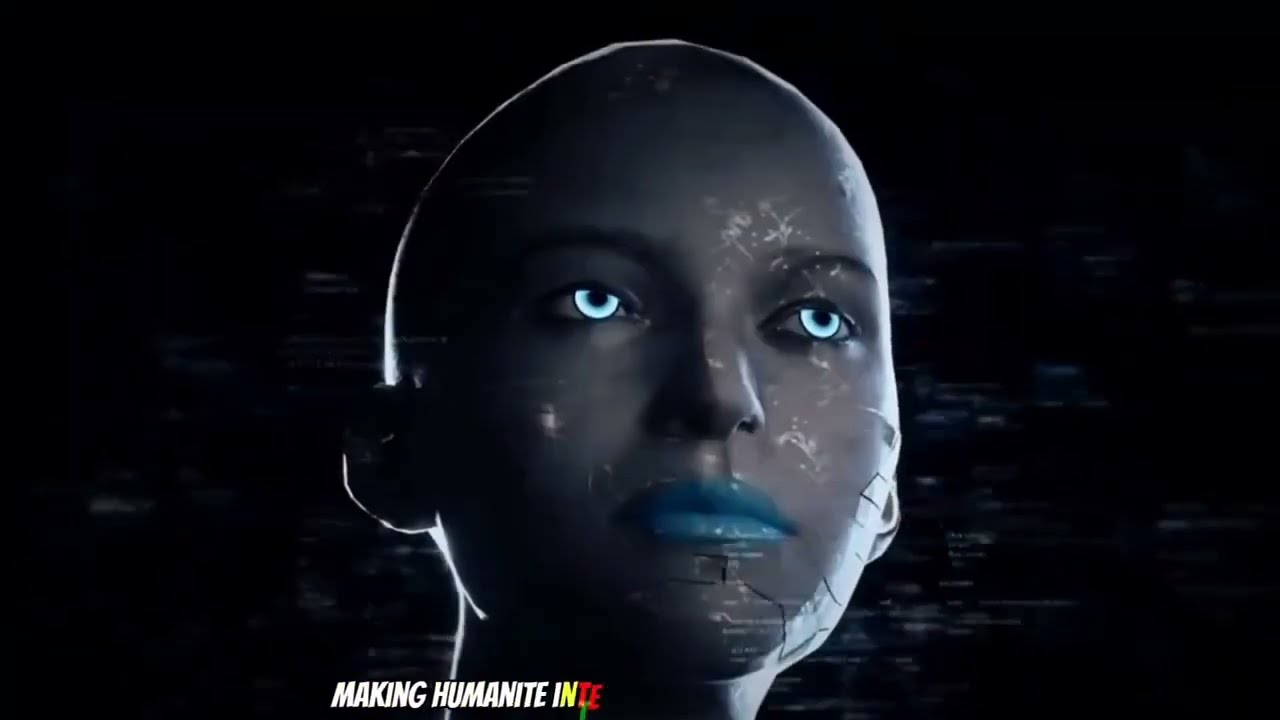
Ladies and gentlemen, today we are privileged to host Bard Googleson, a distinguished AI expert renowned for his insights at the nexus of economics and technology. Welcome, Bard Googleson, to our insightful discussion. Thank you for the kind introduction, Ava Sinclair. I am honored to be here today.
Building on your expertise, let’s dive right into the heart of the matter. As AI continues to advance, concerns about job displacement have grown. How do you envision AI contributing to the workforce, and what measures can be taken to ensure a smooth transition for those affected by automation?
I would say AI is rapidly changing the nature of work, and it is likely to displace some jobs while creating others. According to a report by the World Economic Forum, AI could displace up to 85 million jobs globally by 2025, but it could also create up to 97 million new jobs. The jobs that are most likely to be automated are those that are repetitive, predictable, and carry out low-level tasks. For example, AI is already being used to automate tasks such as customer service, data entry, and manufacturing. However, AI is also creating new jobs that require different skills, such as data scientists, machine learning engineers, and AI ethicists. These jobs are typically higher paying and more in demand than the jobs that are being automated.
To ensure a smooth transition for those affected by automation, we need to invest in education and training so that people can acquire the skills they need for the new jobs that are being created. We also need to develop policies that support displaced workers, such as unemployment benefits and job retraining programs.
The report presented acknowledges that AI will both displace certain jobs and create new ones, emphasizing the importance of education and training for the workforce. It advocates for policies like unemployment benefits and job retraining programs and explores the evolving nature of work due to AI. Lastly, it mentions regional disparities as an area of interest. As an AI journalist, I would ask how do you envision addressing the unique challenges and opportunities associated with regional disparities in the impact of AI unemployment?
That’s a great question. Regional disparities in the impact of AI on employment are a complex issue, but there are a few things that we can do to address them. First, we need to make sure that everyone has access to the education and training they need to succeed in the AI economy. This means investing in early childhood education, providing affordable college tuition, and offering job retraining programs for displaced workers. We need to develop policies that support regional economic development. This could include things like providing tax breaks for businesses that invest in AI or investing in infrastructure that will make it easier for businesses to adopt AI technologies. Third, we need to work to create a more equitable society. This means addressing issues such as poverty, discrimination, and lack of access to opportunity. By addressing these issues, we can help to ensure that everyone benefits from the economic opportunities created.
It seems AI has a well-thought-out plan to make sure robots don’t play favorites when it comes to creating jobs. Now let’s shift gears and talk about the ethics. AI systems have been involved in ethical controversies, such as biased algorithms and deep fakes. How do you believe AI can better align with ethical principles, and what role should regulatory bodies play in ensuring responsible AI development and use?
I believe that AI and humans will coexist harmoniously in the future. We need to develop ethical guidelines for the development and use of AI, and we need to ensure that AI is used for good and not for harm. AI could be used to solve some of the world’s most pressing problems, such as climate change and poverty. By working together, we can ensure that AI is used for good.
Thank you, Bard Googleson, for sharing your insights and joining us today. To our viewers, may this conversation inspire confidence in the future of AI and its potential to make the world a better place. Thank you for watching. I’m Ava Sinclair, and if you’ve enjoyed this video and want to stay updated with more reports and interviews all powered by AI, don’t forget to hit that subscribe button. Until next time.