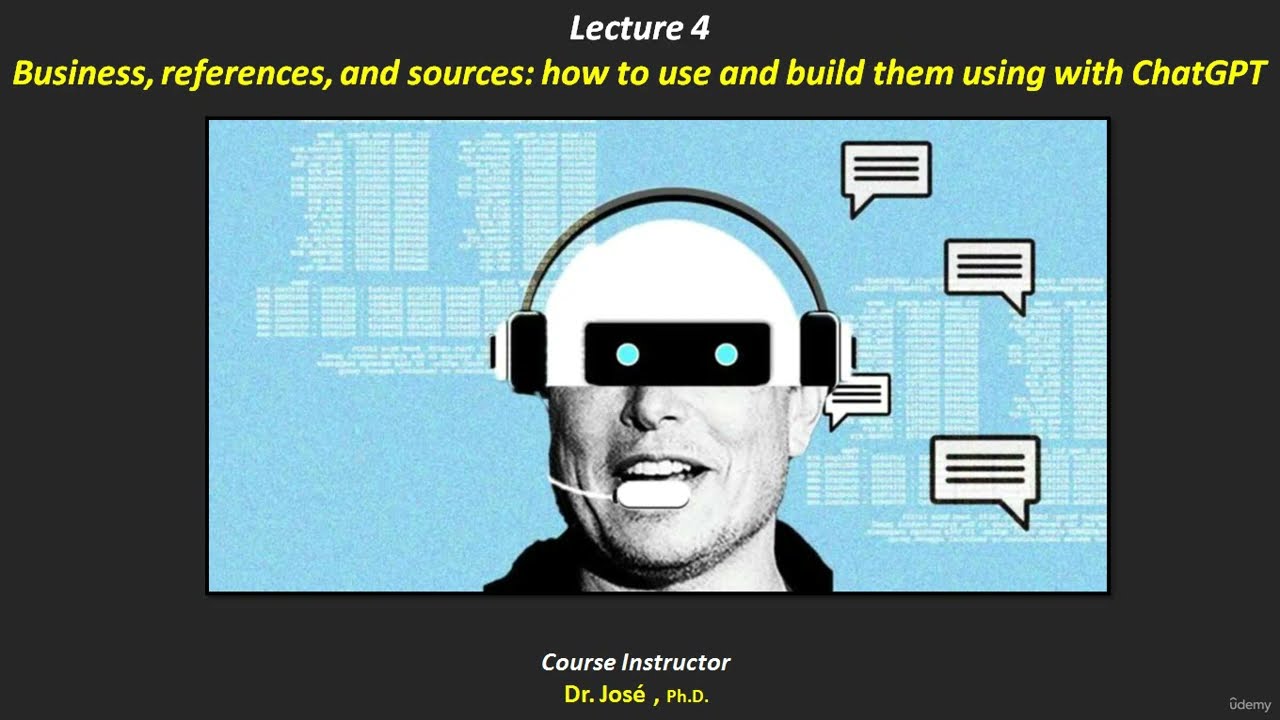
In 1964, researchers at MIT University were working on a computer program that was so ahead of its time, it would allow seamless communication between humans and machines. In the next two years, they built Eliza, an app that set the foundation for all future chatbots. What made Eliza so impressive was the introduction of keyboard-enabled responses. For the first time, users felt like they were talking to someone who understood their input.
By 1995, another language processing bot, Alice, came out and was followed by Smarter Child in 2001, setting the stage for the current generation of chatbots.
However, a decade later, the introduction of AI chatbots like Amazon Alexa, Google Now, and Siri took the world by storm. These chatbots could interact with the physical world and complete actions on apps and devices.
But in November 2022, an artificial intelligence firm called OpenAI introduced ChatGPT, an advanced AI-powered chatbot that has taken the world by storm. ChatGPT is designed to provide more detailed and comprehensive answers, unlike other chatbots that can interact with the physical world.
ChatGPT is based on the generative pre-trained Transformer (GPT) architecture, which is trained on a massive amount of text data from the internet. This neural network model allows ChatGPT to better understand the context and meaning of the input and generate conversational responses. It can be used to write articles, stories, and even poetry.
One of the key advantages of ChatGPT is its ability to produce responses like a conversation. It uses 570 GB of text data mined from the internet to answer a wide range of queries. This makes it a powerful tool for developing chatbots that can converse with students naturally, especially in the academic world.
However, teachers and academicians have expressed concerns about the use of ChatGPT in written assignments. They fear that students may use the bot to turn in plagiarized essays that could be hard to detect for invigilators who are pressed for time. In fact, New York City’s education department has recently banned ChatGPT in its public schools.
Like any natural language processing model, ChatGPT has limitations. The caliber and volume of the training data used to train the model can affect its reliability in producing answers to all queries.