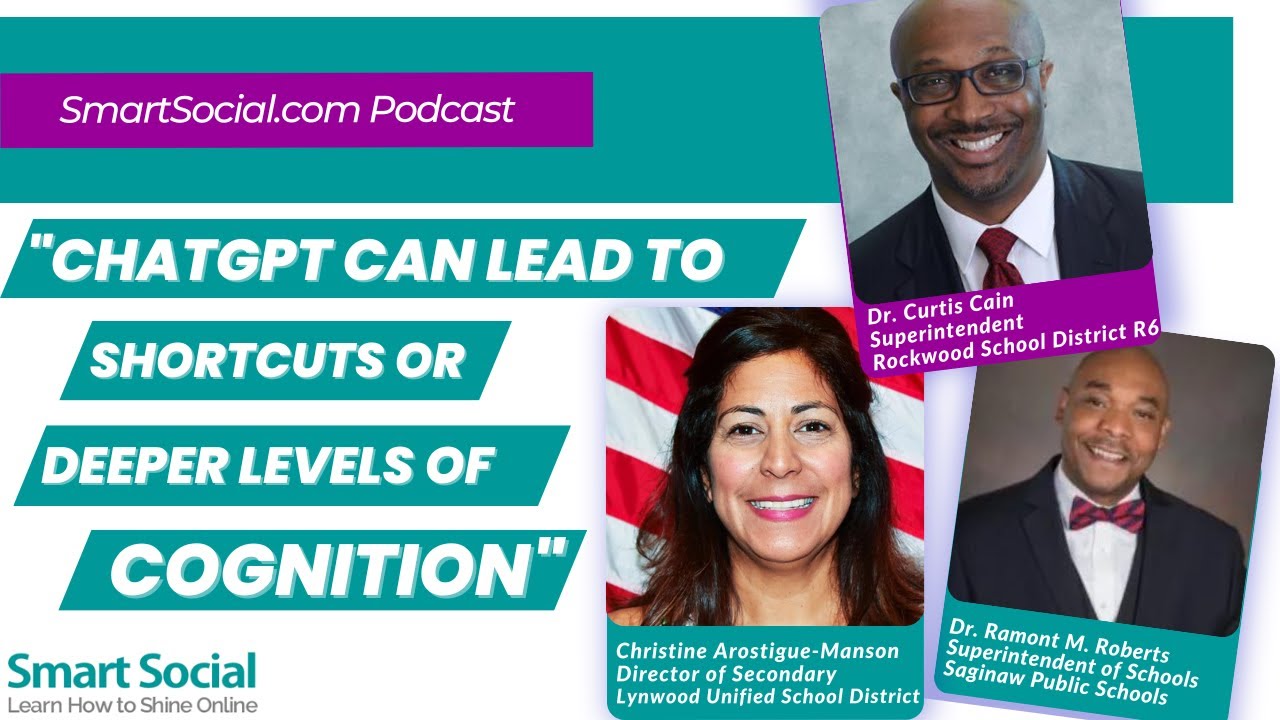
There is an ongoing debate about the importance of cursive handwriting in today’s digital age. While some argue that cursive handwriting should still be a priority in education, others believe that it is becoming less relevant. However, in the same space where this debate is happening, we are also witnessing the rise of chatGPT, an AI-powered language model.
ChatGPT has the potential to offer shortcuts and make tasks easier, but it also raises questions about the impact on students’ cognitive development. It is important to acknowledge the value of cursive handwriting as a skill that promotes fine motor skills and cognitive engagement. At the same time, we cannot ignore the reality of chatGPT and its potential to enhance critical thinking and engagement with students.
As educators, we need to find a balance between traditional teaching methods and the integration of AI tools like chatGPT. While cursive handwriting may still have its place in the curriculum, we must also teach students how to effectively use AI tools for research and writing. This includes teaching them how to properly cite sources and avoid plagiarism.
Teachers and administrators have already started exploring the positive use cases of chatGPT. It has been used for grant writing, lesson planning, and creating engaging presentations. However, it is crucial to guide students in using chatGPT as a base form and then reformatting the content in their own words. This ensures that they are not solely relying on the AI model but are actively engaging with the material.
The integration of chatGPT in education also calls for a reevaluation of grading techniques and assignments. Instead of solely focusing on the quality of work, educators are now looking at the multiple perspectives and advocacy skills demonstrated by students. Collaborative projects and discussions are encouraged to foster critical thinking and creativity.
While there may be challenges and missteps along the way, it is important for educators to embrace the opportunities that AI tools like chatGPT offer. Ignoring these tools would be a significant misstep, as they have the potential to enhance student learning and engagement. By providing training and support to teachers, we can ensure that they are equipped to use AI tools effectively and responsibly.
In conclusion, the debate of cursive handwriting versus chatGPT is not a binary choice. Both have their merits and can coexist in the education system. It is up to educators to navigate this evolving landscape and find ways to integrate AI tools in a way that benefits students’ learning and prepares them for the future.


